
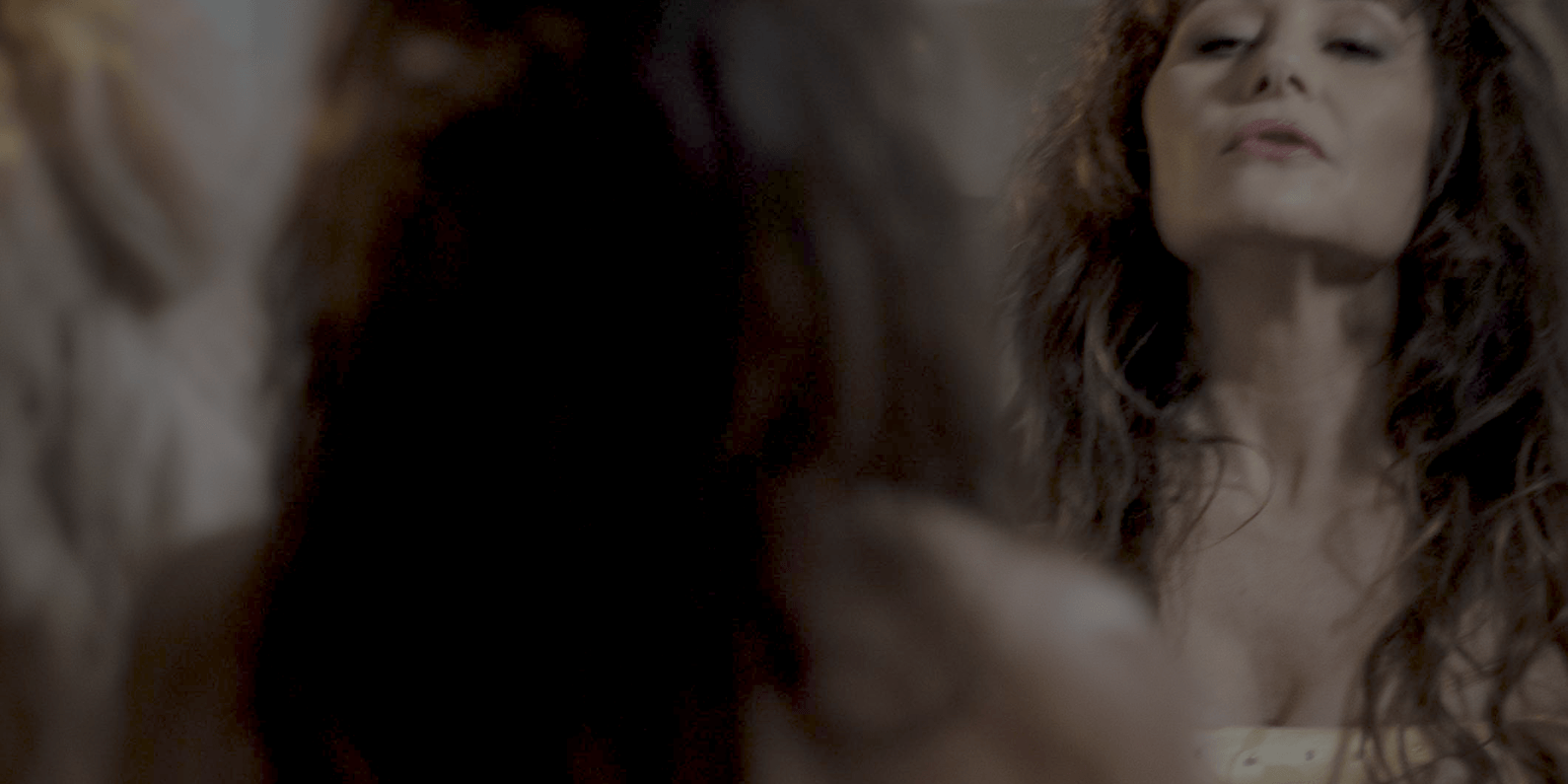
From July – August, I Can Die Too will have it’s world première at Pitlochry Festival Theatre. Created by Frances Ruffelle, Sally George and Alan Cumming, and directed by Bill Buckhurst, this play with music is about a play with music. Inspired by Cocteau’s La Voix Humaine and playfully reimagined during a chaotic tech rehearsal.
During rehearsals, the leading actress, Lily, can’t bear the role she’s playing as it mirrors her own life, and the ghosts she can’t quite leave behind. As the rehearsal spirals, she humorously descends into a world of doubt, defiance, and the insatiable desire to sing. A collision of life and art, I Can Die Too is a sharp, self-aware exploration of theatre — blurring the lines between classic drama, tragicomedy, musical theatre and concert.
In this blog, I Can Die Too creator and star, Tony Award-winning actress Frances Ruffelle, best known for originating the role of Eponine in both the original London and Broadway productions of Les Misérables, tells us about the collaborative origins of the play, troubling similarities with the main character and the genre-bending musical structure of the show.
Frances Ruffelle:
In 2019, Alan and I were invited by New York Theatre Workshop to take part in a development residency at Adelphi University in Long Island, where we were given the opportunity to write together. Though we approached it from very different perspectives, we shared a fascination with Jean Cocteau’s The Human Voice, which became the catalyst for our own play with music.
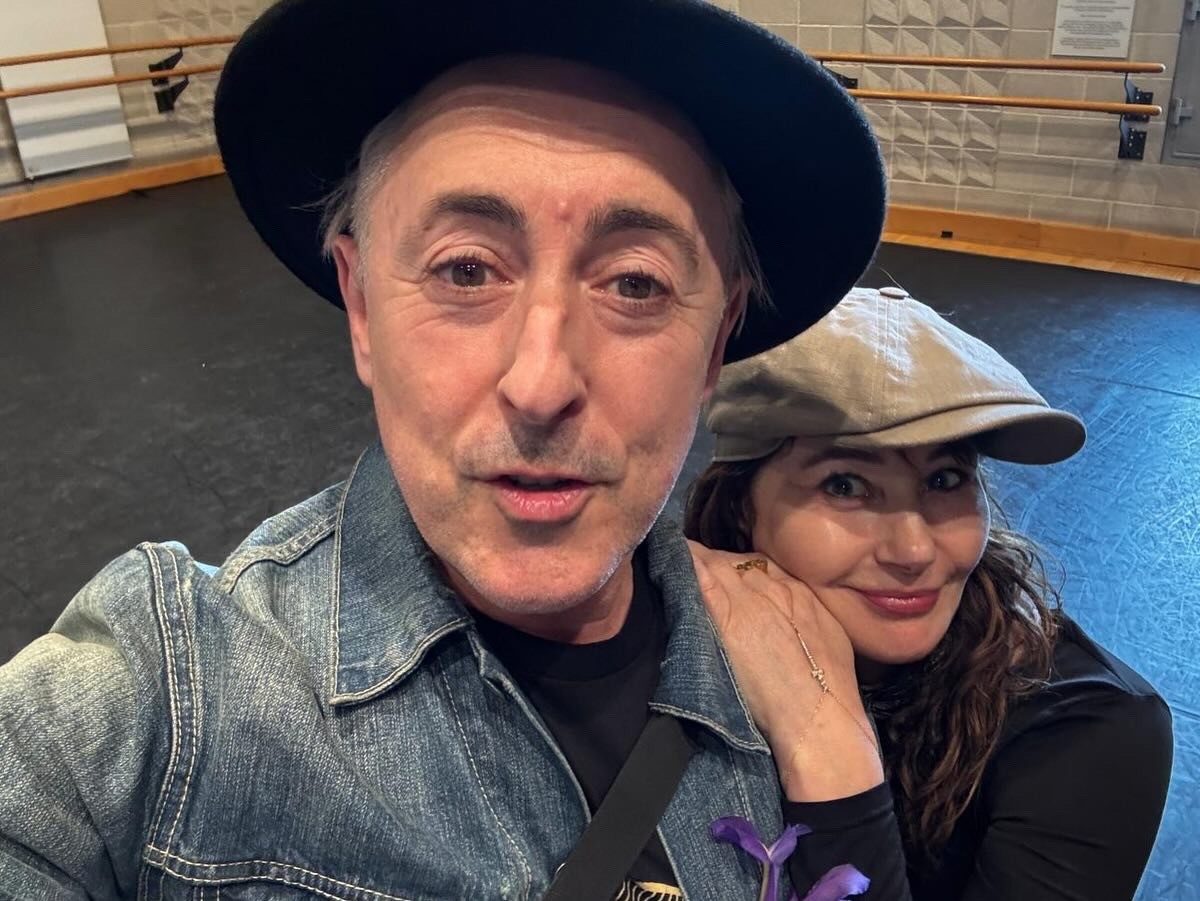
Alan Cumming and Frances Ruffelle
A director friend had introduced the play to me years earlier, and I remember having an unexpectedly visceral reaction. The central character’s heightened emotion and absence of humour unsettled me. If I am honest, I recognised aspects of myself in her — not entirely flattering ones. There are moments when what we see reflected back at us is uncomfortable. I am certainly theatrical by nature, but I rely on humour — particularly the ability to laugh at myself — as balance. With that in mind, Alan and I began exploring the interplay between life and art. Somewhat dauntingly, we chose to write in front of students. It was my first-time developing work in such a public way, and initially I found it terrifying. Yet the week quickly became exhilarating.
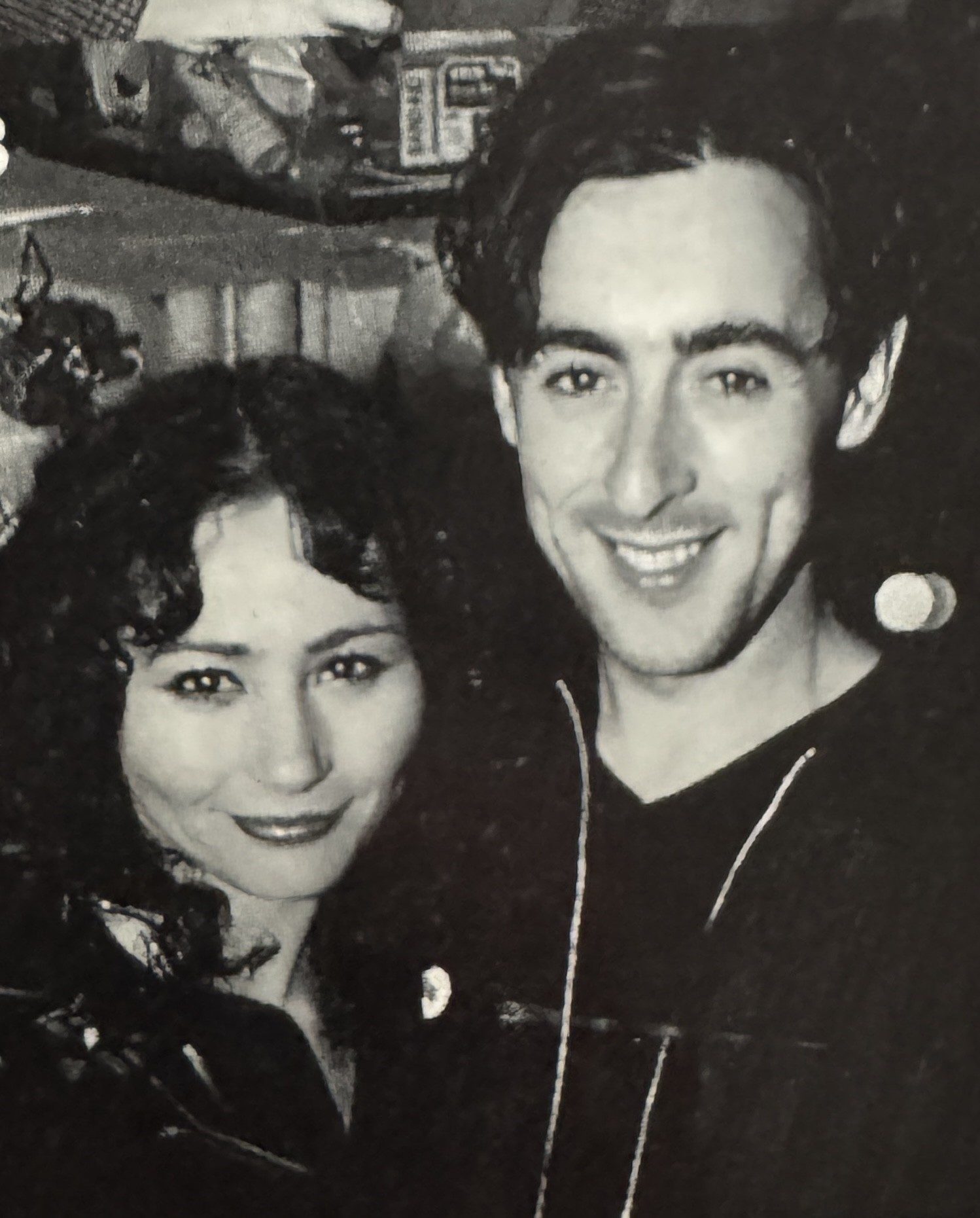
Frances Ruffelle and Alan Cumming
Alan is an extraordinary collaborator — we laughed constantly, and humour became integral to the piece. At times, we worked so instinctively that we found ourselves finishing one another’s sentences. Being in the room with teenagers unexpectedly transported me back to my own adolescence. That personal connection shaped the character’s life story: we introduced a teenage pregnancy and her enduring longing for the child she had lost, deepening her vulnerability and emotional complexity.
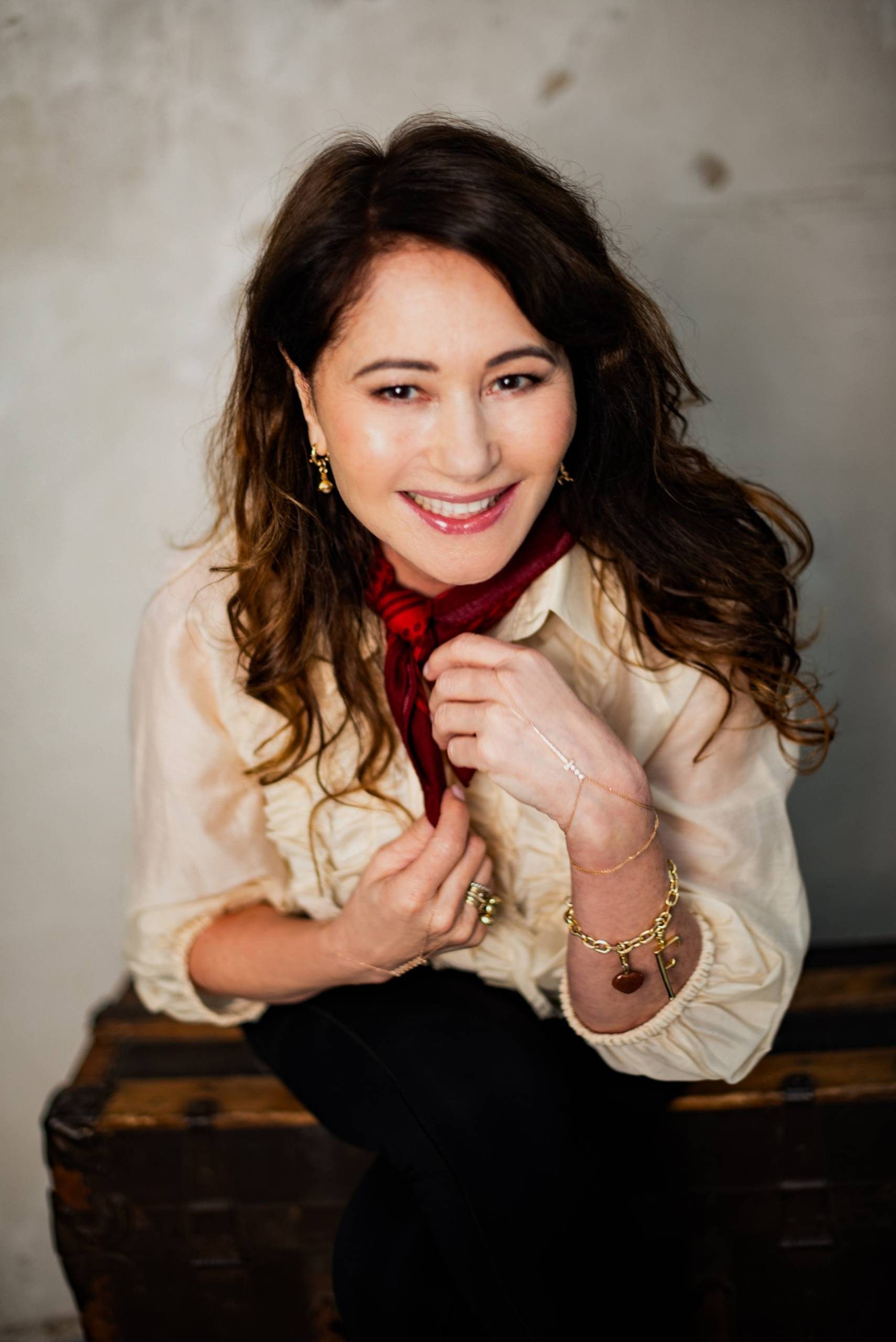
Frances Ruffelle. Photo by Debbi Clark.
Unlike The Human Voice, which unfolds as a solitary monologue, we set our piece during a live tech rehearsal, expanding the theatrical world to include additional characters and an onstage band. The structure deliberately blurs the boundaries between classic drama, tragicomedy, musical theatre, and concert. As Alan’s schedule became increasingly demanding, he generously suggested inviting an additional collaborator so the work could continue without interruption. We brought in the exceptionally talented Sally George. Sally and I have since become close creative partners.
Experience the world première of I Can Die Too during its exclusive three‑week run, from 11 July to 2 August 2026.